




Used Fiat X1/9: versions and checks before a viewing
How to tell Fiat X1/9 versions apart and prepare for a viewing: documents, bodywork, roof and questions to ask before assessing a car.
Before comparing two Fiat X1/9s, check what you are comparing: version, original market, documentation and work carried out. A short description or glossy bodywork is not enough to answer these questions. This guide will help you prepare for the viewing and keep track of any missing information.
Understanding the 1300, Five Speed and Bertone versions
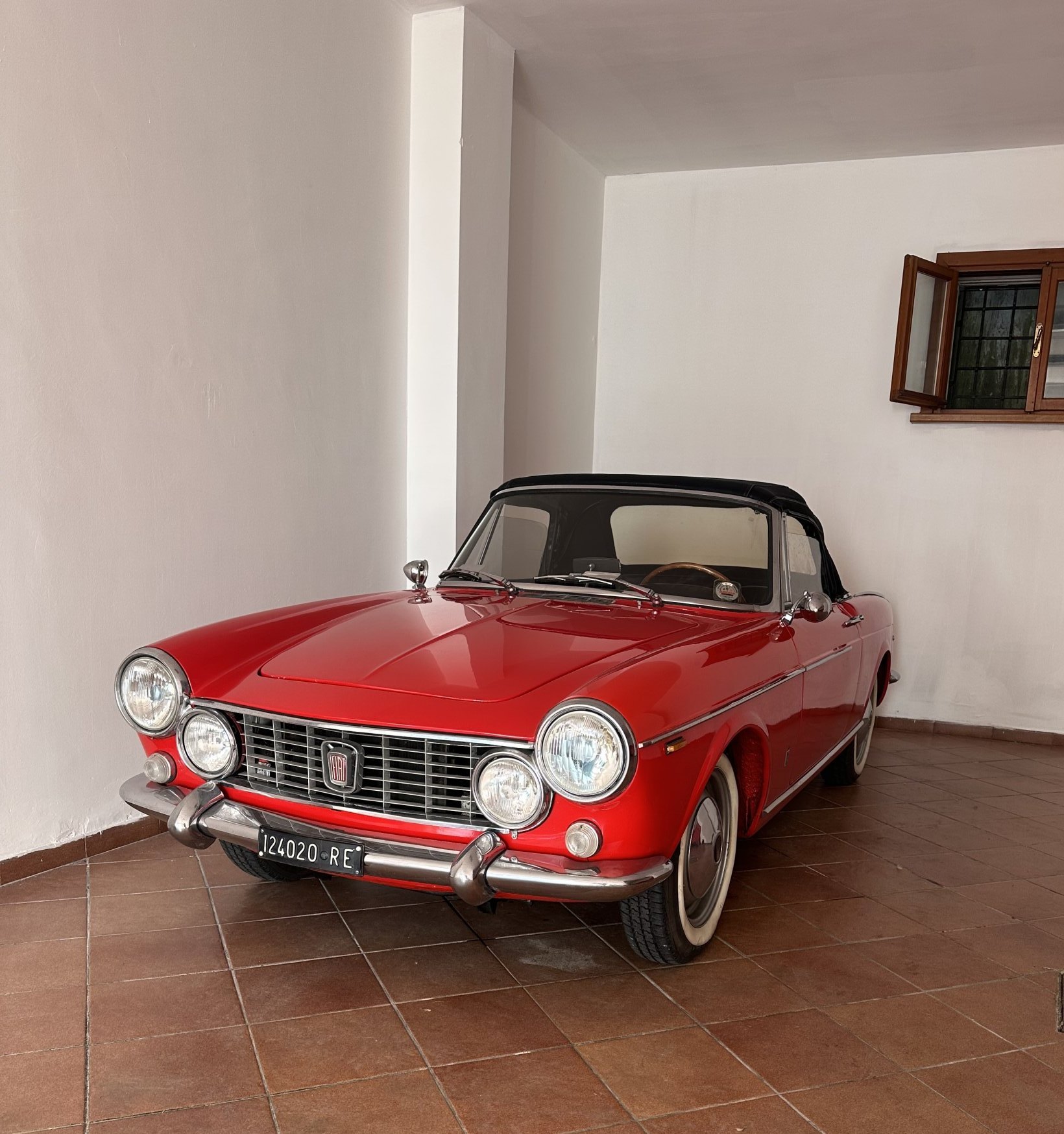
The X1/9 is a two-seater with a removable hardtop and a mid-mounted engine. According to Stellantis Heritage’s account, the original 1300 version was followed at the end of 1978 by the 1500 Five Speed, with a five-speed gearbox; the Bertone marque appeared in 1982.
These are useful starting points for identification, not a way to certify a car from photographs alone. Bumpers, badges or components may have been replaced. Start with the year and the details in the documents, then ask the seller to explain any differences from the stated configuration. For specific technical comparisons, you can also consult the Club X1/9 Italia data sheets.
A practical checklist for the viewing
The Club Nazionale X1/9 covers inspections in an article in its journal, page 20. The points to check include the bodywork and suspension mounts, signs of leaks, pop-up headlights and roof seal. Treat the viewing as an opportunity to gather evidence, and consult a specialist for checks that require one.
- Identity and configuration: Readable documents and a check of the vehicle’s identification numbers; the stated version and any modifications. Record: Consistent details, explained differences and checks still needed.
- Bodywork: Inspect the sills, floor and suspension mounts; take photographs of previous repairs. Record: Areas inspected, documented repairs and parts not examined.
- Engine and maintenance: Starting, any leaks and invoices for work carried out. Record: Date, mileage and details of the work, separate from verbal claims.
- Roof and cabin: Seals and panel catches; damp or signs of water ingress. Record: Missing components, observed defects and checks not carried out.
- Systems and controls: Operation of the pop-up headlights and main controls. Record: Any issues to have assessed and the corresponding estimate.
Don’t just write “good” or “needs restoration”. A dated photograph, an invoice and a note of the inspection carried out are more useful when comparing two cars. If an area cannot be accessed, write “not checked”: the absence of a photograph does not prove the absence of a defect.
Questions to ask before setting off
Ask the seller which documents are available, whether the mileage is supported by a service history, what work has been carried out and which modifications they know of. Request recent photographs of the areas you intend to inspect, and agree on the arrangements for the viewing and any inspection by a technician.
A statement such as “timing belt replaced” is more useful when accompanied by the date, an invoice and details of the components involved. If the listing details are inconsistent, ask for clarification before using them in your comparison: a public listing is a starting point, not an expert assessment.
Compare listings without focusing only on price
Use the Fiat X1/9 listings on OldCar24 to find cars worth investigating further. Alongside the asking price, note the documentation, conditions to check and work anticipated. The advertised amount is that seller’s asking price: it does not prove the price at which a car sells or the price of every example of the model.
The viewing will be more useful if you arrive with specific questions and can distinguish what you have seen, what is documented and what remains to be verified.

Milano Portofino Under the Stars 2026: the start at NH Collection Milano CityLife, among classic cars and cutting-edge architecture
Milan, November 7, 2026 – Past meets future in the heart of CityLife. The first edition of Milano Portofino Under the Stars officially set off from the elegant setting of NH Collec...
1929 OM 665 Spyder Mille Miglia: an Italian masterpiece for €1.25 million, steeped in history, authenticity and legend
A car that journeys through time without losing its soulIn the international world of car collecting, there are rare cars, prestigious cars and, finally, automobiles capable of tel...

THE SNOW, January 15–17, 2027: the dream of classic cars comes alive again in the snow of the Maritime Alps
Some events go beyond a passion for cars, becoming experiences that create emotions destined to live on in our memories. THE SNOW 2027 was born from this very philosophy: celebrati...
Dal network
In vetrina
Selezione premium · OldCar24