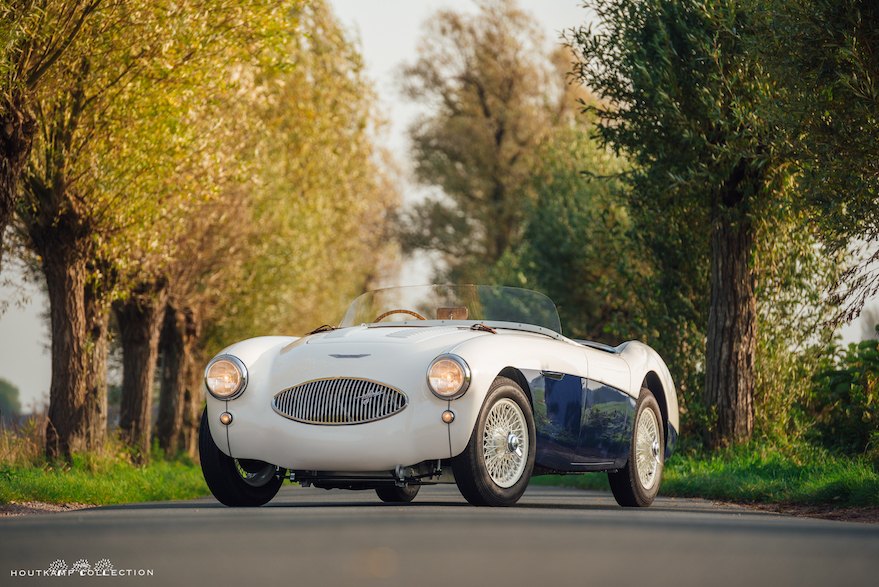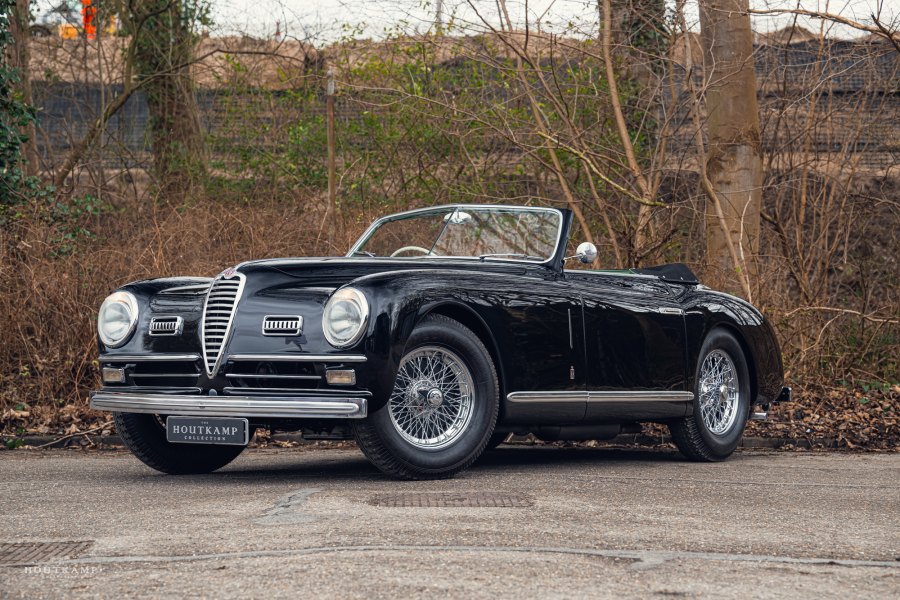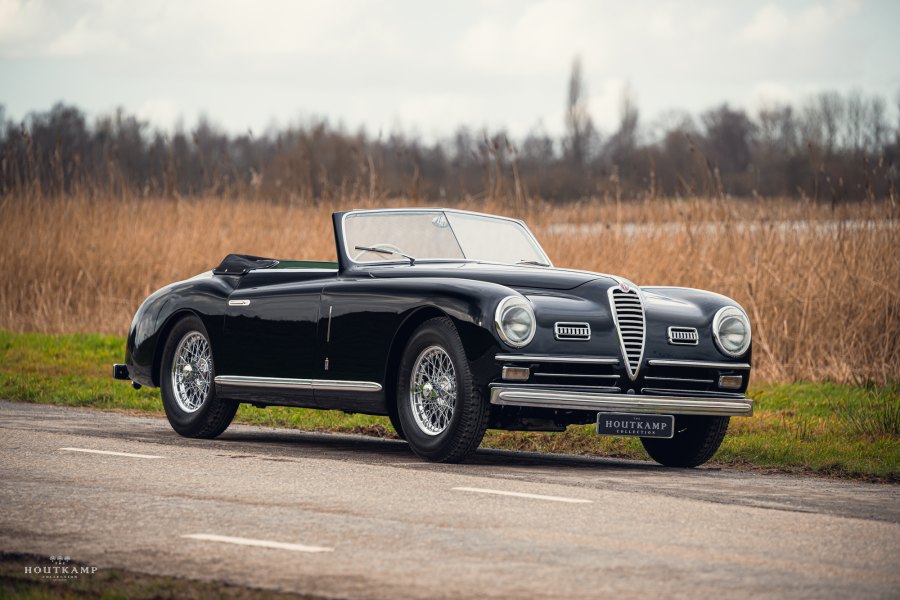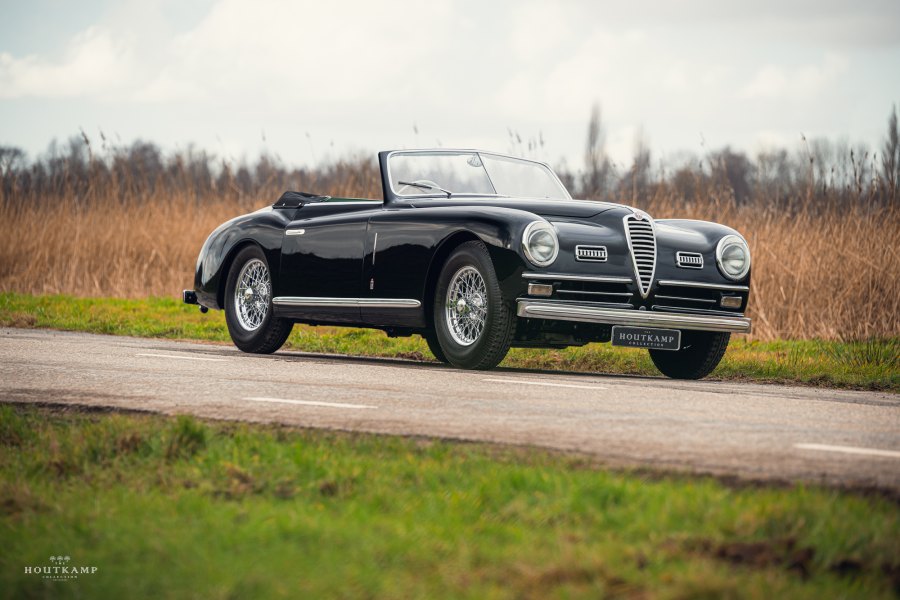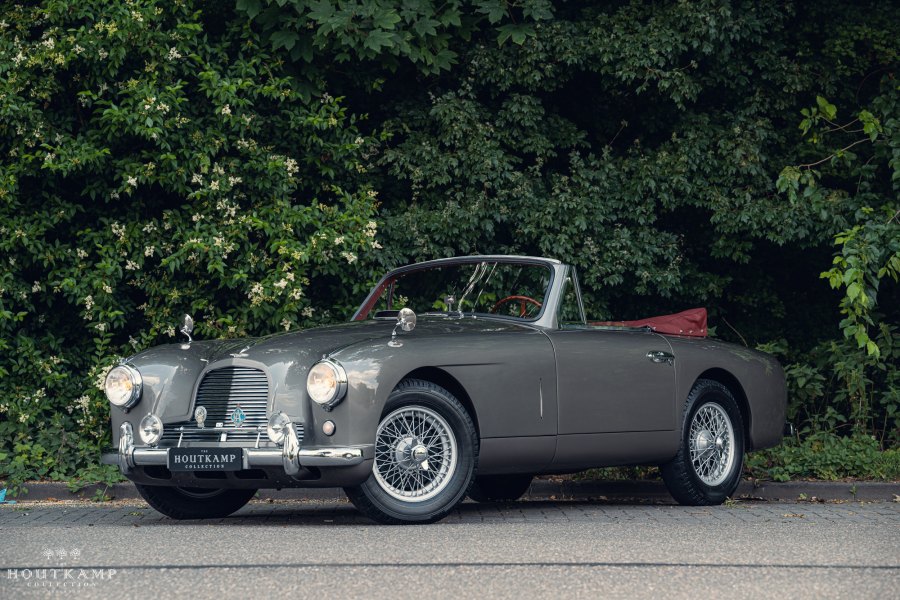
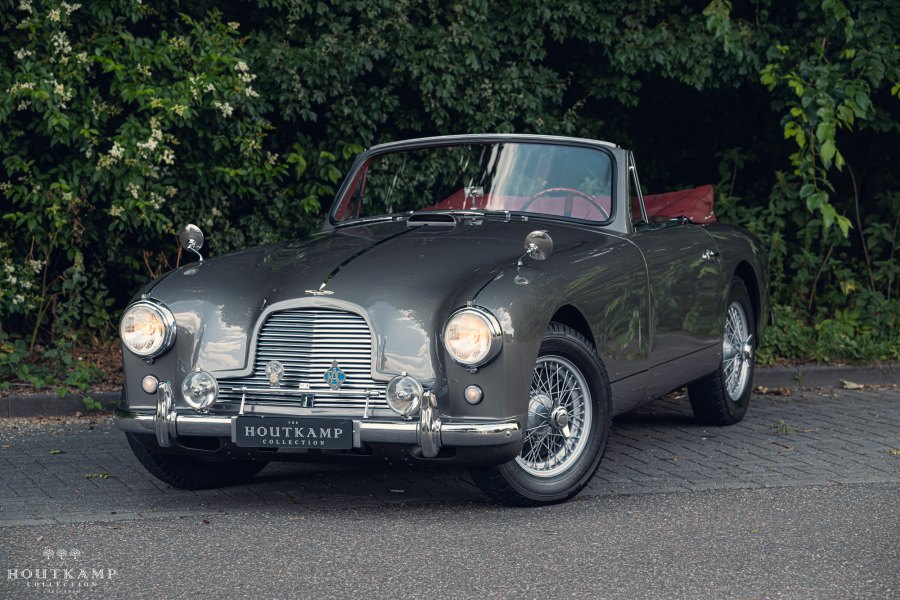
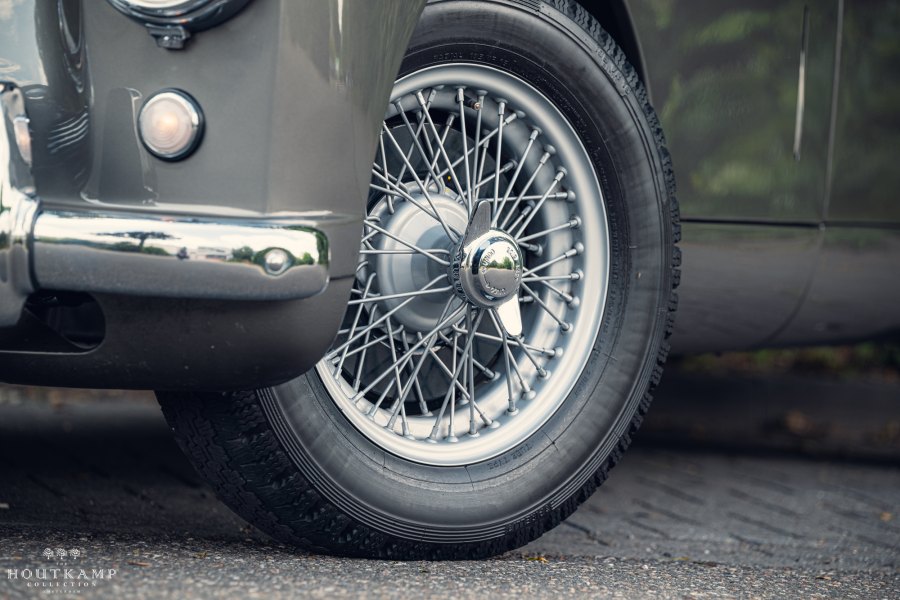
ASTON MARTIN1956 DB2/4 (1953-1959)







Aufrufe + diese Woche
Preis
Preis auf Anfrage
LANCIA Lambda
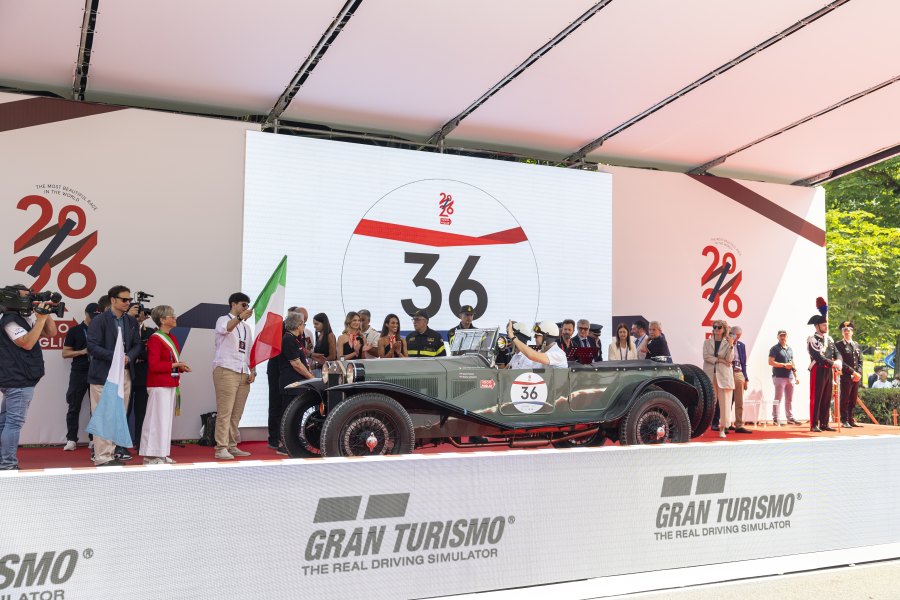
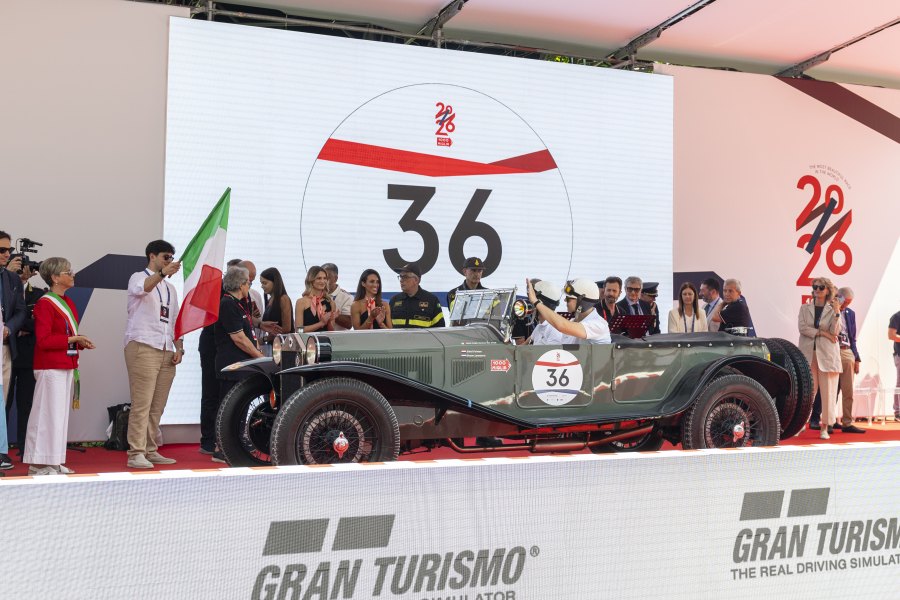
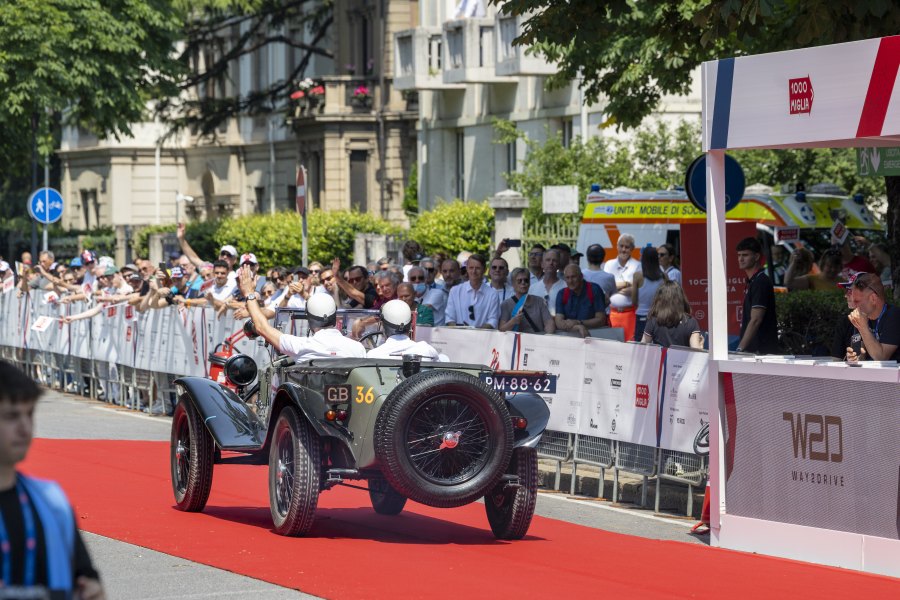
- Veteran Car Mille Miglia 1928 - The Eighth Series Lambda embodies an extraordinary combination of engineering innovation, sporting character and coachbuilt elegance - This specific example was not merely a Lambda subsequently used in competition, it was one of a very small number of cars specifically prepared by Lancia for the 1928 Mille Miglia - The Eighth-Series was powered by Lancia’s Tipo 79 engine, a technically advanced 2,569 cc narrow-angle V4. - This specific example is distinguished by its special Romagnoni & Pirrotta competition cylinder head, fitted as part of Lancia’s preparation for the 1928 Mille Miglia and increasing output to approximately 80 hp - Among eligible automobiles, genuine prewar veterans are exceptionally rare and especially sought after - Very few automobiles combine Mille Miglia prewar veteran status, an excellent starting position and the maximum coefficient for the race being 1.8 - It represents one of the most compelling and difficult-to-replicate opportunities for the serious 1000 Miglia entrant During the 1920s, Lancia stood at the forefront of European automotive engineering, combining technical innovation, refined construction and an unmistakable sense of elegance. Founded in Turin in 1906 by Vincenzo Lancia, the company rapidly established a reputation for producing cars that were not merely means of transportation, but sophisticated engineering achievements. Introduced in 1922, the Lambda was arguably Lancia’s most revolutionary achievement of the period and one of the most technically significant cars of the entire prewar era. The Lambda was also distinguished by its independent front suspension, an innovation that gave the car exceptional roadholding and comfort for its time. The combination of low weight, low centre of gravity, independent suspension and sophisticated engine design endowed the Lambda with handling characteristics far beyond those of many contemporary automobiles. Over its production life, the Lambda evolved through nine series, introduced progressively between 1922 and 1931. Each series brought refinements and improvements, while retaining the fundamental engineering principles that had made the model so exceptional. The Eighth Series Lambda, introduced in 1928, represented a mature development of Lancia’s revolutionary concept. The Torpedo body style gave the Lambda a particularly sporting and elegant appearance. In period automotive terminology, “Torpedo” referred to an open four-seat touring body with a long, streamlined silhouette and a folding soft top. The name became widely used by European manufacturers during the 1910s and 1920s. Unlike a modern roadster, a Torpedo was generally conceived as a practical touring automobile, capable of carrying several passengers while offering the exhilaration of open-air motoring. The year 1928 was particularly significant for Lancia. The Lambda had already demonstrated its remarkable capabilities during the inaugural Mille Miglia in 1927. For the 1928 edition, Lancia took a more deliberate approach and prepared a select group of Lambda automobiles specifically for the event. Nine Eighth Series Lambdas were prepared for the 1928 Mille Miglia. Three were constructed as sporting spiders by Casaro for Lancia’s official effort, while six Torpedo-bodied examples were prepared for carefully selected private entrants. ABOUT THIS SPECIFIC EXAMPLE The specific example is the last of the six Type 223 Torpedos prepared for the 1928 Mille Miglia, and, according to its Lancia certificate and the documentation, it is the unique known surviving example of the nine Lambda automobiles factory-prepared for that year’s event. This exceptional Series VIII Torpédo possesses an additional distinction: it is believed to be the sole surviving example of the nine Lambdas. Its distinctive factory competition equipment includes the rare Romagnoni & Pirrotta cylinder head, which increased output to approximately 80 hp, and an enlarged 120-litre fuel tank designed to extend the car’s range between refuelling stops. Other Mille Miglia features attributed to the car include its lowered driver’s door, distinctive flowing wings, raised running boards, supplementary adjustable rear shock absorbers and twin Autovac fuel-supply units. Lancia Heritage confirms that Vincenzo Lancia personally approved the preparation and lightening of special Lambdas for the 1928 event and that the Pirrotta cylinder head was part of their competition specification. The car’s identity as an authentic factory-prepared Mille Miglia Lambda is supported by a certificate issued by Lancia. Although the chassis number of this specific example is certified by Lancia as one of the nine cars specially prepared for the 1928 Mille Miglia, its original race number and crew remain unknown. The surviving factory records identify the individual competition chassis, while contemporary entry lists and results record the race numbers and crews without quoting chassis numbers. Detailed documentation relating to prewar competition cars is exceptionally rare. The interruption caused by the Second World War, inevitably left gaps in the surviving material. Following the 1928 Mille Miglia, the Lambda was reportedly sent by Lancia to its British subsidiary at Alperton, near London. At approximately the beginning of the 1930s, it was sold by Lancia England to Fred Bird, an American enthusiast who divided his time between London, Switzerland and Cabris in the south of France. Bird became one of the most important figures in the car’s history. Rather than treating it as a static collector’s piece, he used the Lambda extensively and is reported to have covered an extraordinary 250,000 miles in it. His long-distance use provides compelling evidence of both the durability of Lancia’s advanced engineering. Technical notes and period photographs associated with Fred Bird survive in specialist Lambda archives. Two photographs connected with Bird were later reproduced in Bill Jamieson’s authoritative book on the model, Capolavoro: The Design, Development and Production of the Lancia Lambda. After Bird eventually retired the car from regular use, it was acquired circa 1960 by Edmund Tory, a prominent member of the British Lancia community. By circa 1970 it had passed to Gerald Batt, a noted English Lambda authority who at one time reportedly owned no fewer than 17 examples. The documented ownership records show Norman and Carol Cullen of Aylesbury as registered owners from 13 February 1991 until 23 August 1993, when the car returned to Gerald Batt. Batt retained the Lambda for more than 25 years, until 17 September 2018 when the ownership transferred to Robert Anthony MacLean, also of Farnham. In May 2019, the Lambda returned to the Brescia starting ramp for the modern 1000 Miglia retrospective. Driven by Robert Anthony MacLean and Anna Michele MacLean, it competed as car number 53. Immediately afterward, the car was presented at the 90th-anniversary Concorso d’Eleganza di Villa d’Este, where it received an Honourable Mention in Class A, “Goodbye Roaring Twenties: The Birth of the Concorso.” More significantly, it was awarded the Trofeo FIVA for the best-preserved prewar automobile, an important recognition of its originality, authenticity and carefully conserved historic fabric. Following earlier sympathetic mechanical work by respected British specialist Jonathan Wood, the Lambda entered the ownership of its present custodian, a discerning Dutch collector, in August 2024. Determined to return this important car to the event for which it had originally been prepared, he entrusted it to Storicar of Brescia for comprehensive technical preparation ahead of the 2026 1000 Miglia edition. Storicar is widely regarded as one of the foremost authorities on the Lancia Lambda. The work carried out on chassis was extensive and is documented by a substantial invoice retained with the car. In June 2026, the current owner drove the Lambda in the 1000 Miglia accompanied by fellow Dutch collector Emiel Putman. Competing as car number 36. CONDITION EXTERIOR The exterior is presented in highly original and carefully conserved condition. Finished in olive green with contrasting black wings and wheels, the Lambda retains a wonderfully purposeful appearance that reflects both its competition history and decades of active use. The body panels appear well preserved, while the flowing wings, lowered driver’s door and raised running boards remain defining features of its special Mille Miglia specification. Wire wheels, period-style tyres and the externally mounted spare complete its sporting profile. Shown with its 2026 1000 Miglia number and decals, the Lambda has not been cosmetically over-restored. Its exterior communicates honesty, originality and historic continuity, qualities recognised when the car received the FIVA Trophy for the best-preserved prewar automobile at Villa d’Este in 2019. CONDITION INTERIOR The interior is presented in remarkably carefully preserved condition and highly evocative. The simple cockpit retains its purposeful period appearance, with a four-spoke steering wheel, painted dashboard, original-style instruments and functional controls. The rear passenger compartment preserves the practical four-seat Torpedo configuration, and the folding soft top is neatly stowed behind the seats. DRIVING EXPERIENCE Driving the Lancia Lambda is a remarkably engaging and historically significant experience. Its low centre of gravity, lightweight construction and independent front suspension give the car a degree of balance, comfort and composure that was exceptional in the late 1920s and remains impressive for a prewar automobile. The steering is direct and communicative, while the chassis feels agile and predictable once the driver becomes familiar with its period controls. Its participation in the 2019 and 2026 editions of the 1000 Miglia demonstrates that this is not simply a static historic automobile, but a machine still capable of undertaking the demanding event for which it was originally prepared. Among eligible automobiles, genuine prewar veterans are exceptionally rare and especially sought after. As starting numbers are allocated in chronological order, the car’s early year places it among the first competitors on the road, an important practical and prestigious advantage. It also carries the highest possible coefficient of 1.8, giving it the maximum available weighting in the regularity classification. This Lambda therefore represents not just a significant piece of Lancia history, but also one of the most compelling and difficult-to-replicate opportunities for the serious 1000 Miglia entrant. Disclaimer The information provided on this website has been compiled by The Houtkamp Collection with the utmost care. The information contained within this advert is provided ‘as-is’, without warranties as to its accuracy whether expressed or implied and is intended for informational purposes only. The Houtkamp Collection is not liable for any errors or mistakes.OldLuxury 24 übernimmt keine Verantwortung für falsche, irreführende und/oder unwahre Anzeigen und behält sich alle geeigneten Maßnahmen, einschließlich Schadensersatz, gegen Zuwiderhandelnde vor.
 Premium
 Premium