




FIAT 600 MULTIPLA 1956-1967: WHEN TAXIS WERE GREEN (AND BLACK)
Amarcord-nostalgia of the Sixties.
The Fiat 600 Multipla taxi wore black on the upper body and bottle green below. Its layout provided luggage space beside the driver and a dashboard-mounted taximeter. These details explain the car’s purpose, but paint alone cannot prove that a particular example actually worked as a taxi.
This story concerns the Multipla built from 1956 until spring 1967: a small car designed to make room for people and luggage, which also became a familiar part of Italian public transport.
Why were Multipla taxis green and black?
The two colours distinguished Italian taxis in the 1960s. Heritage’s account of the Fiat 600 Multipla describes black upper bodywork and bottle green below. It also notes that private buyers ordered two-tone cars in other shades, so two-colour paint did not invariably mean taxi use.
The model’s history and an individual car’s history are different questions. A photograph records a colour scheme; evidence of professional service needs to relate to that specific vehicle. Paint and accessories are clues to compare with documents and dated images.
How the taxi’s cabin was arranged
The taxi layout used the space normally occupied by the front passenger differently: luggage could sit alongside the driver. Behind were two seats and two folding seats, accommodating two to four passengers. A taximeter was installed on the dashboard.
This arrangement differed from the six-seat family Multipla. Counting the seats visible in a photograph does not establish the original specification: interiors and accessories can be replaced during a car’s life. When examining an example, ask which configuration is documented and what work has been carried out.
1956 to 1967: keep the milestones separate
The Multipla made its debut at the Brussels Motor Show in January 1956. Its rear engine allowed Dante Giacosa’s design to bring the cabin well forward. The 600 D update followed in 1960. Heritage’s announcement of 18 May 2026 places the end of Multipla production at Mirafiori in spring 1967.
Those are milestones for the model, not an automatic way to date surviving cars. Compare the stated year, paperwork and features of the example in front of you. The 1960 range update alone cannot identify the mechanical components fitted to a car today.
What to ask when a Multipla is described as an ex taxi
- Which records connect the car to taxi service? Ask which documents or photographs support the seller’s description, rather than treating a plate or roof sign as sufficient evidence.
- Request photographs taken before restoration and details of work on the body, seats and accessories.
- If a city or period of service is mentioned, ask for evidence relating to this particular car.
- Before buying, arrange an examination of the car and its records with a specialist before drawing conclusions about originality and condition.
Fiat 600 Multipla taxi questions
Is every green-and-black Multipla a former taxi?
No. The colours match the historical taxi appearance, but cannot establish a particular car’s past on their own. Look for documents and photographs that can be linked to the vehicle.
Did the taxi carry six passengers?
No. Heritage describes room for two to four passengers behind the driver in the taxi version. This should not be confused with the family version’s six seats in total.
Did Multipla production end in 1960?
No. That was the year of the 600 D update; Heritage’s 2026 account gives spring 1967 as the end of Multipla production.
If you are looking for a car, browse the Fiat 600 listings on OldCar24. This catalogue covers the 600 family: not every listing is a Multipla or a former taxi. Check the description, records and current availability with the seller.
Reference photograph taken in 2008, not a 1960s image or evidence of the pictured car’s past taxi service. Photo: roman, via Wikimedia Commons, CC BY 2.0. Original file used without changes.
Alfa Romeo Alfetta GTV V6: a rare heir to Sandro Munari’s Safari Rally resurfaces at Milano Autoclassica
A piece of Italian motoring history arrives in MilanNot every classic car tells a story. Some preserve an authentic chapter of international motorsport, shaped by great drivers, le...
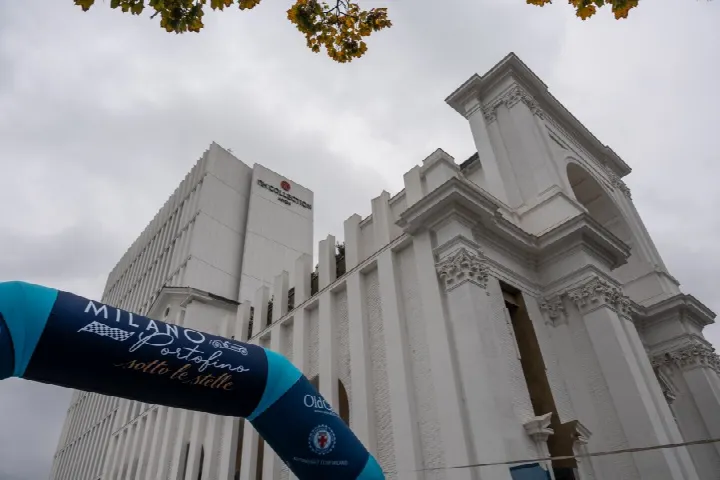
Milano Portofino Under the Stars 2026: the start at NH Collection Milano CityLife, among classic cars and cutting-edge architecture
Milan, November 7, 2026 – Past meets future in the heart of CityLife. The first edition of Milano Portofino Under the Stars officially set off from the elegant setting of NH Collec...
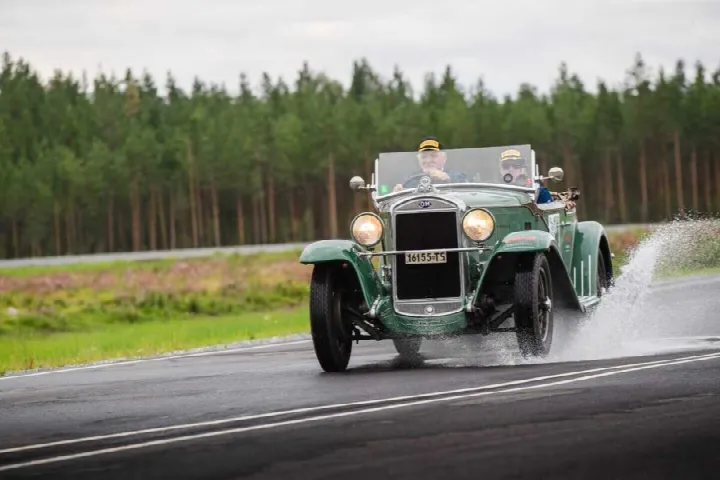
1929 OM 665 Spyder Mille Miglia: an Italian masterpiece for €1.25 million, steeped in history, authenticity and legend
A car that journeys through time without losing its soulIn the international world of car collecting, there are rare cars, prestigious cars and, finally, automobiles capable of tel...
Dal network
In vetrina
Selezione premium · OldCar24