


| Marca | CITERIA | Tipo di auto | Altro | Guida | Sinistra |
| Modello | 600 | Condizione | Usata | Trazione | Posteriore |
| Versione | cc “Documented history” | Carburante | Benzina | Cambio | Manuale |
| Anno | 1961 | KM | - | Colore | Verde |
| Marca | CITERIA | KM | - |
| Modello | 600 | Guida | Sinistra |
| Versione | cc “Documented history” | Carburante | Benzina |
| Tipo di auto | Altro | Trazione | Posteriore |
| Condizione | Usata | Cambio | Manuale |
| Anno | 1961 | Colore | Verde |
| Marca | CITERIA |
| Modello | 600 |
| Versione | cc “Documented history” |
| Anno | 1961 |
| Tipo di auto | Altro |
| Condizione | Usata |
| Guida | Sinistra |
| Trazione | Posteriore |
| Carburante | Benzina |
| Cambio | Manuale |
| KM | - |
| Colore | Verde |
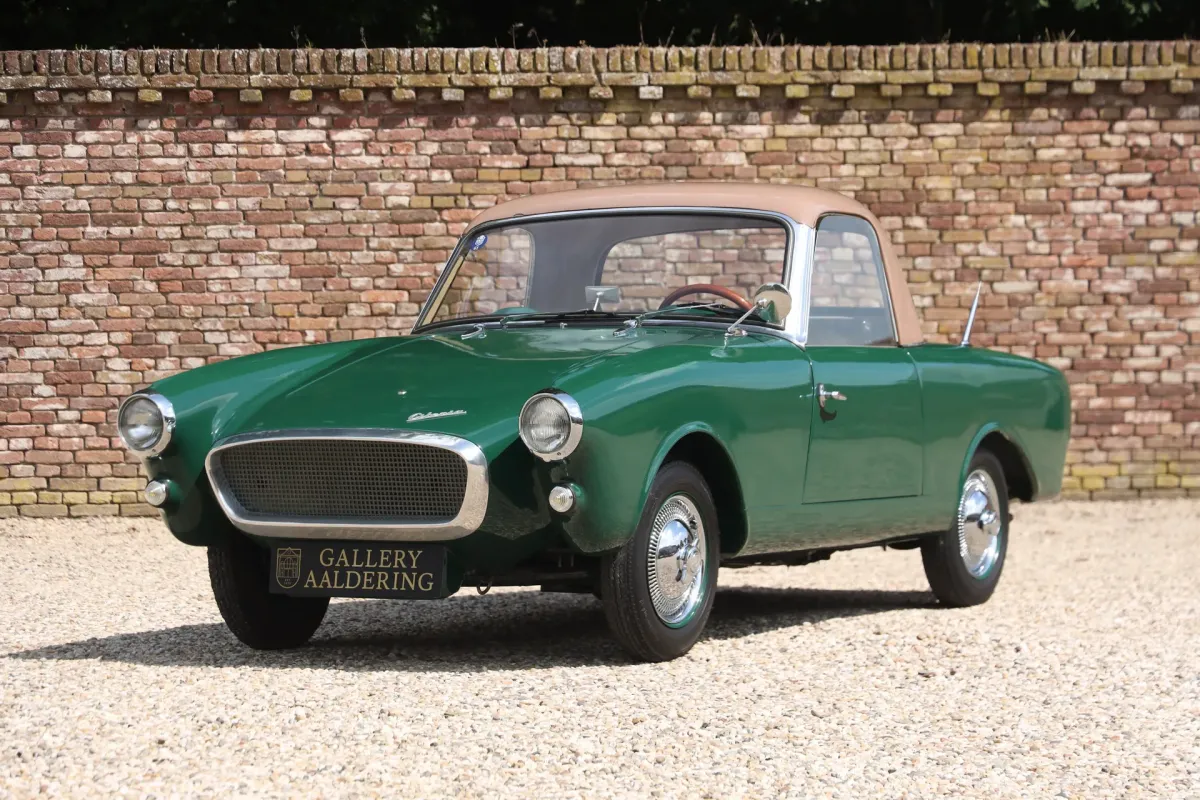
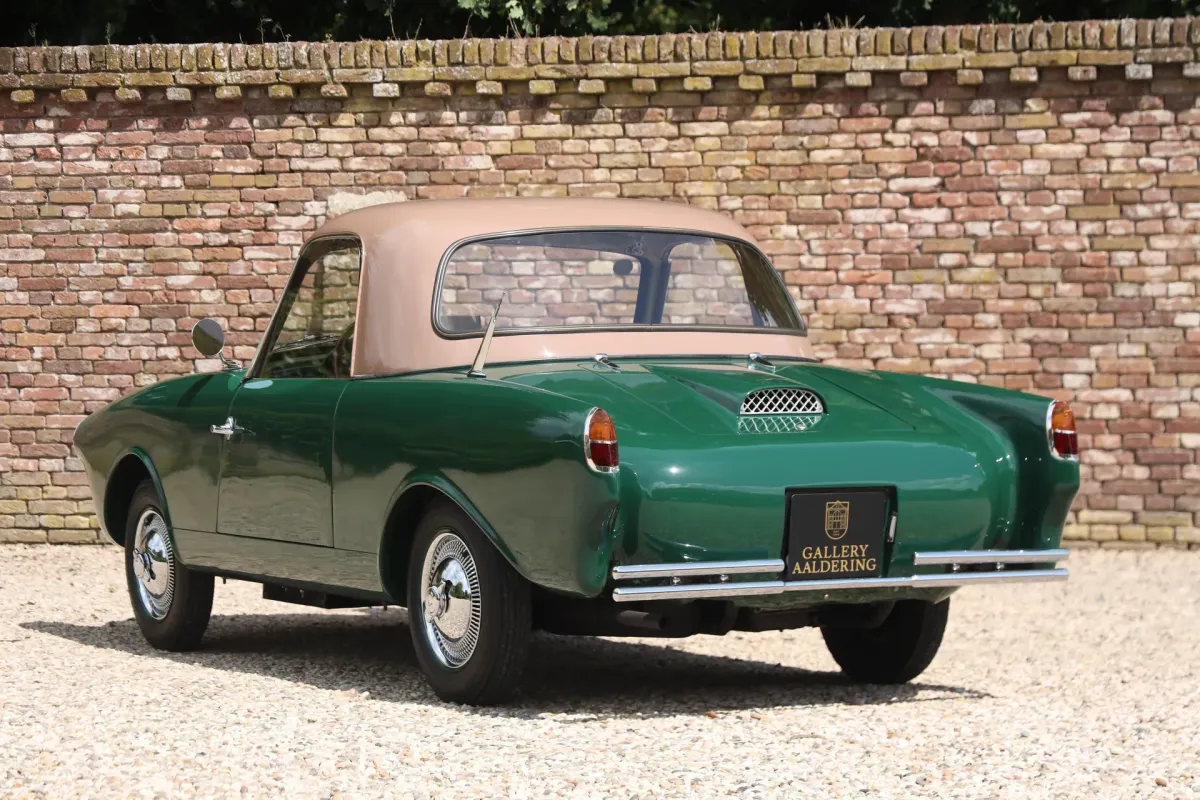
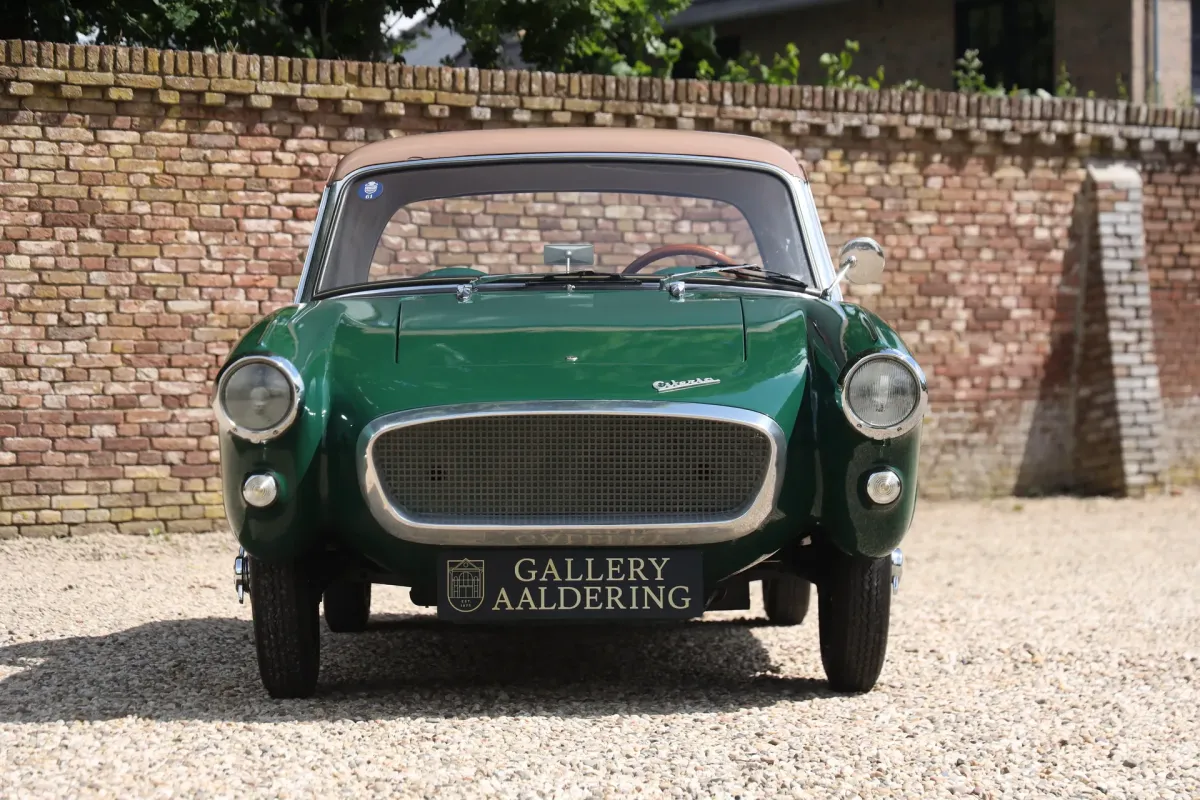
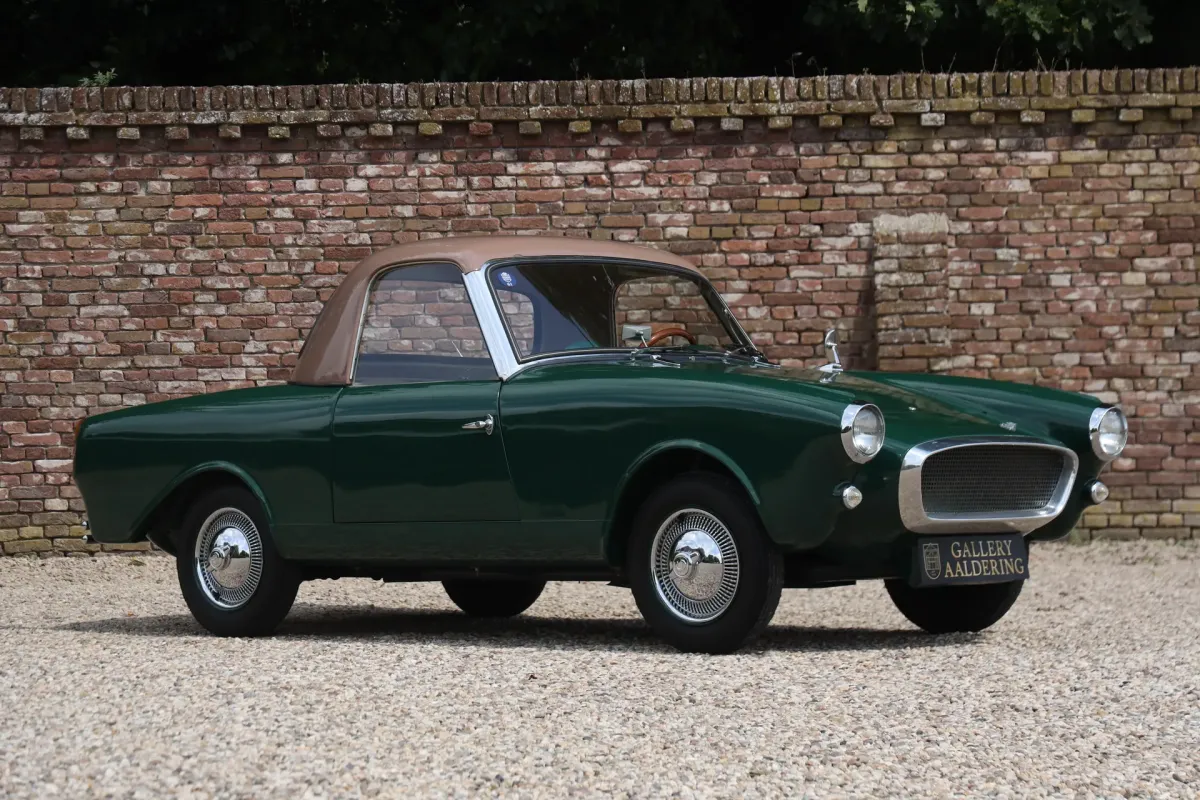
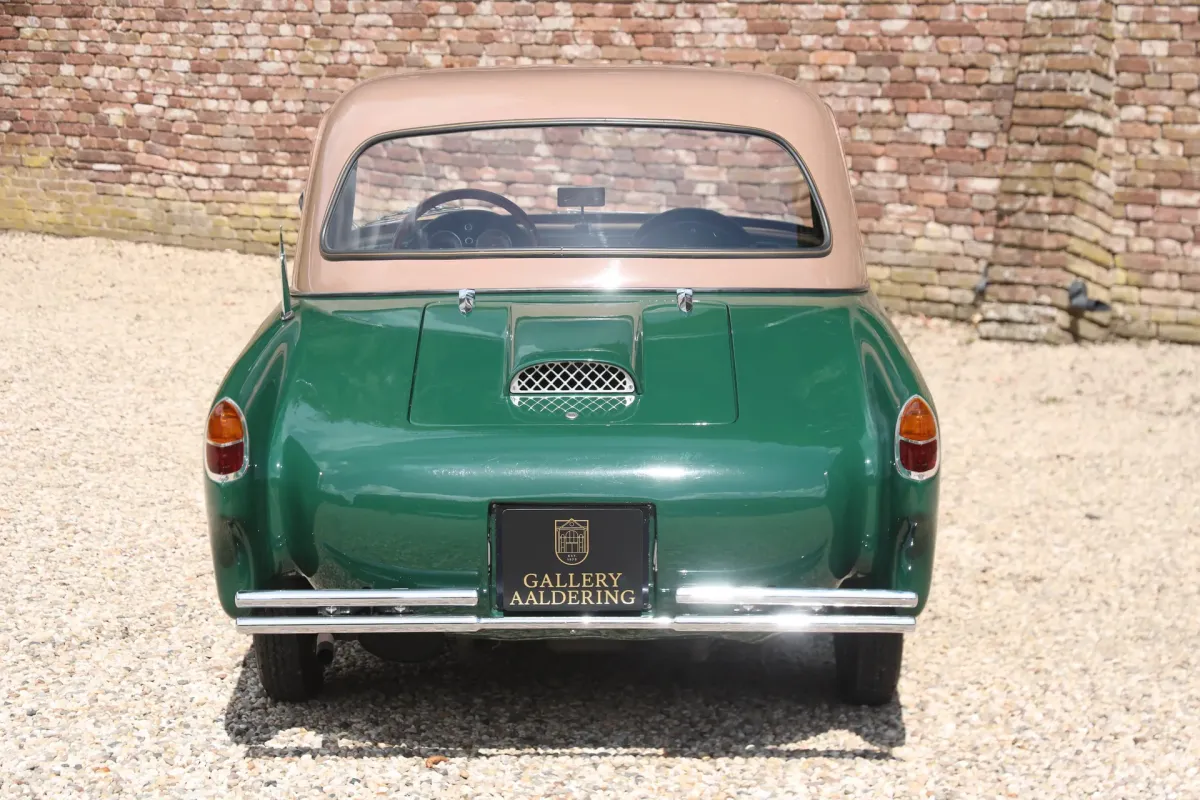
Unveiling a Dutch sports car at Circuit Zandvoort, inviting national television, and having Carel Godin de Beaufort drive a demonstration lap. Then, only a few days later, the man behind the project is arrested. You may already have guessed it: this is no ordinary automotive story.
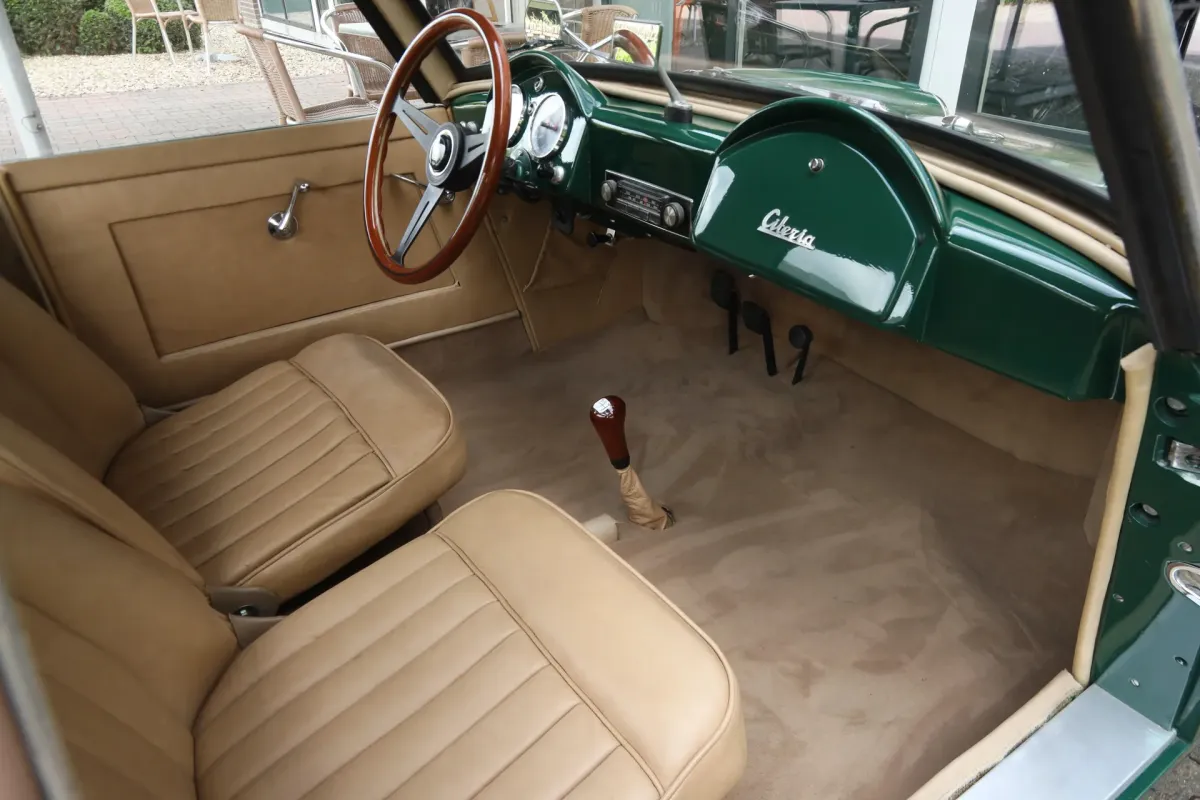
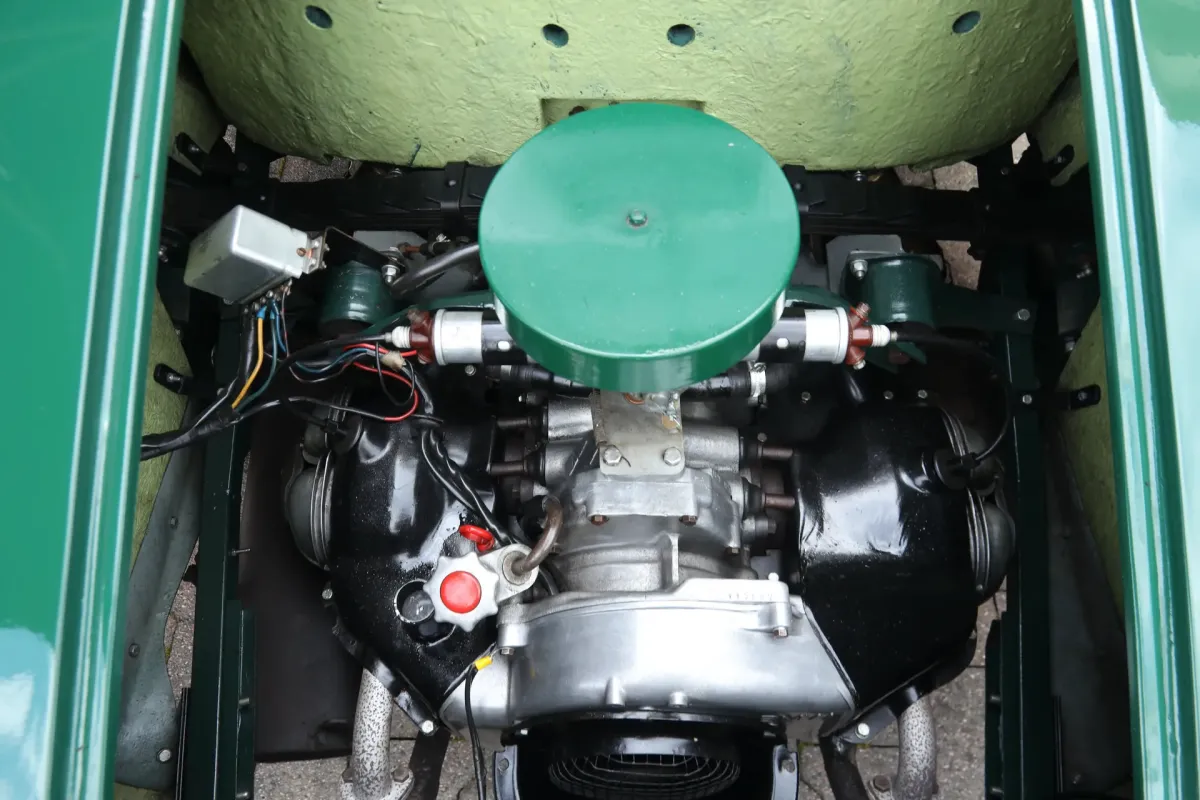
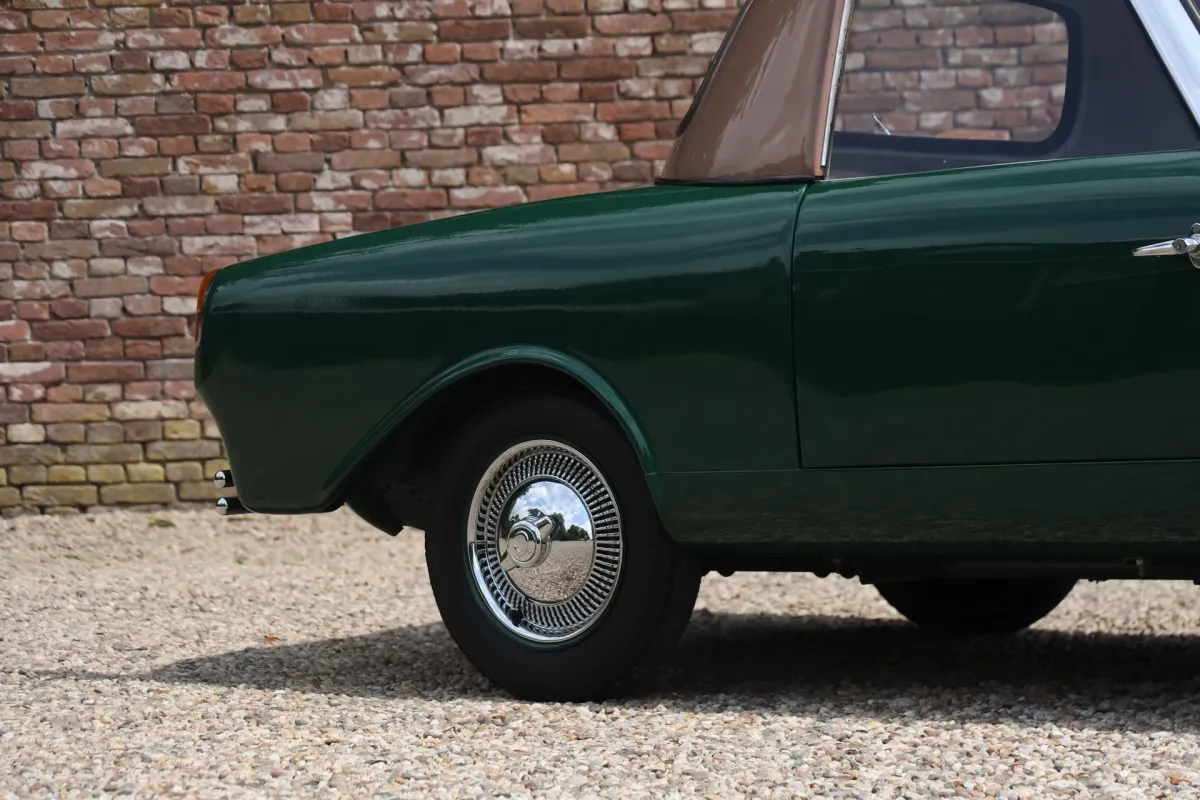
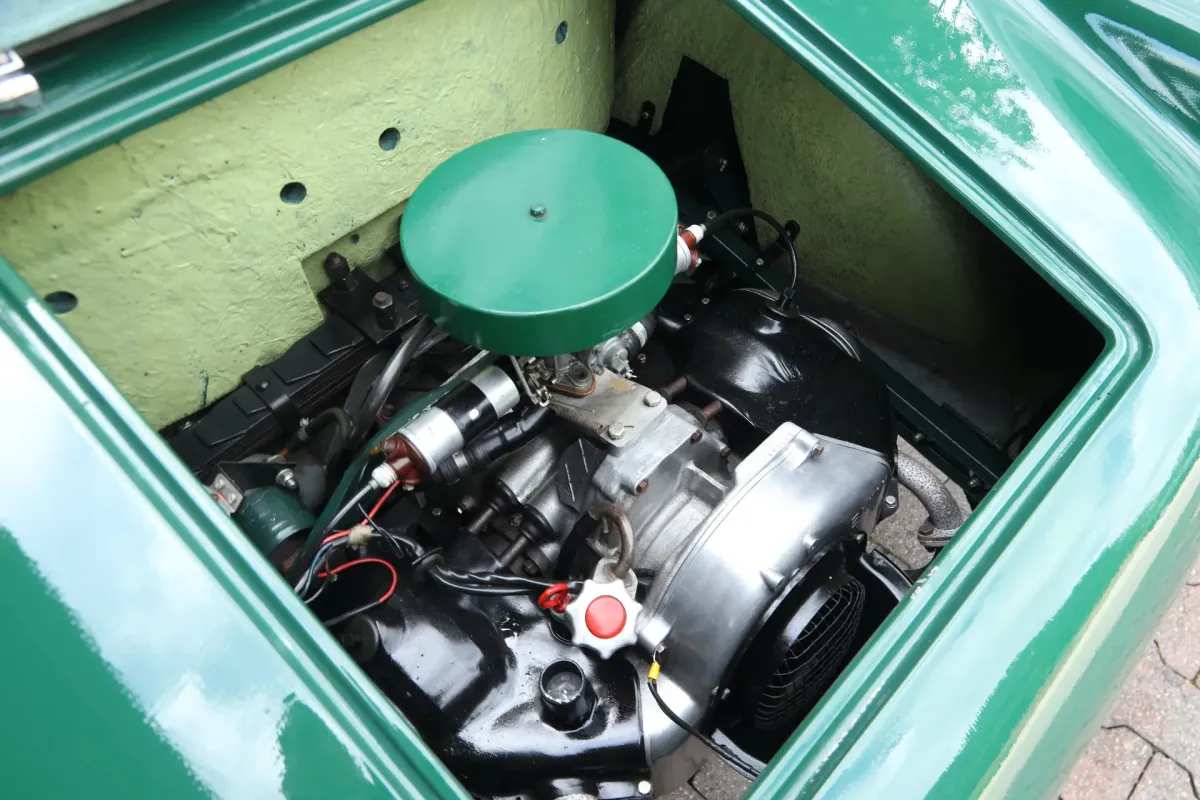
The Citeria originated in the 1950s from the plans of garage owner Puck van Beekum. Following an earlier automotive venture, he needed a new project that could simply generate income. Together with engineer Han van der Blij, he therefore began developing a small Dutch sports car with a fiberglass body and compact BMW mechanicals.
On November 17, 1958, the result was officially unveiled at Circuit Zandvoort. The press attended, television crews recorded the event, and racing driver Carel Godin de Beaufort demonstrated the car on track. Even Stirling Moss is mentioned in the surviving accounts as having been present. For such a small Dutch project, the Citeria certainly did not receive a modest introduction. But shortly afterward, everything went badly wrong.
Just a few days after the presentation, Van Beekum was arrested for financial reasons. The ambitious plan to produce a Dutch sports car came to an abrupt halt. As one can easily imagine, there was no factory filled with Citerias, no exports to America, and no extensive brochure offering a range of different versions. Exactly one car remained.
That makes this perhaps one of the simplest production figures in Dutch automotive history: one built, one preserved.
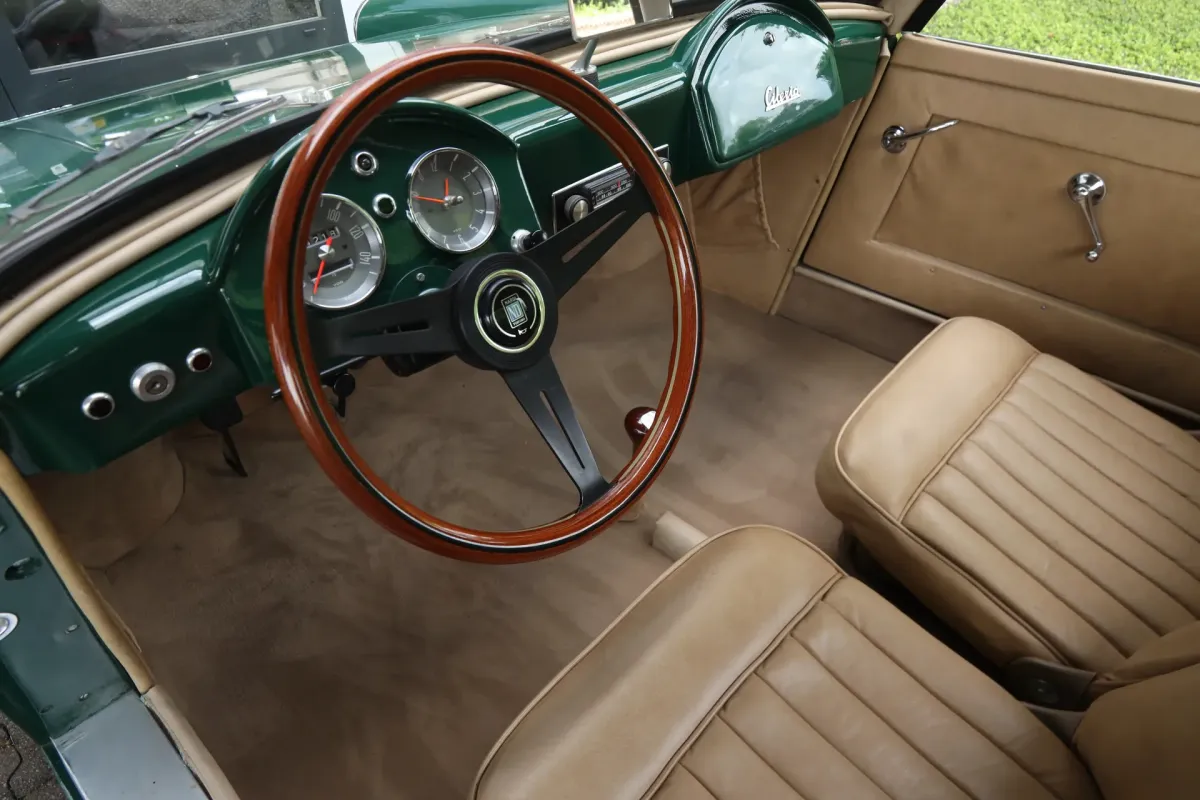
The Citeria featured a lightweight fiberglass body, independent suspension, and an air-cooled BMW two-cylinder engine. Period specifications quoted a top speed of approximately 135 kilometers per hour. In a car this small, with the bodywork wrapped closely around you, it must undoubtedly have felt considerably faster.
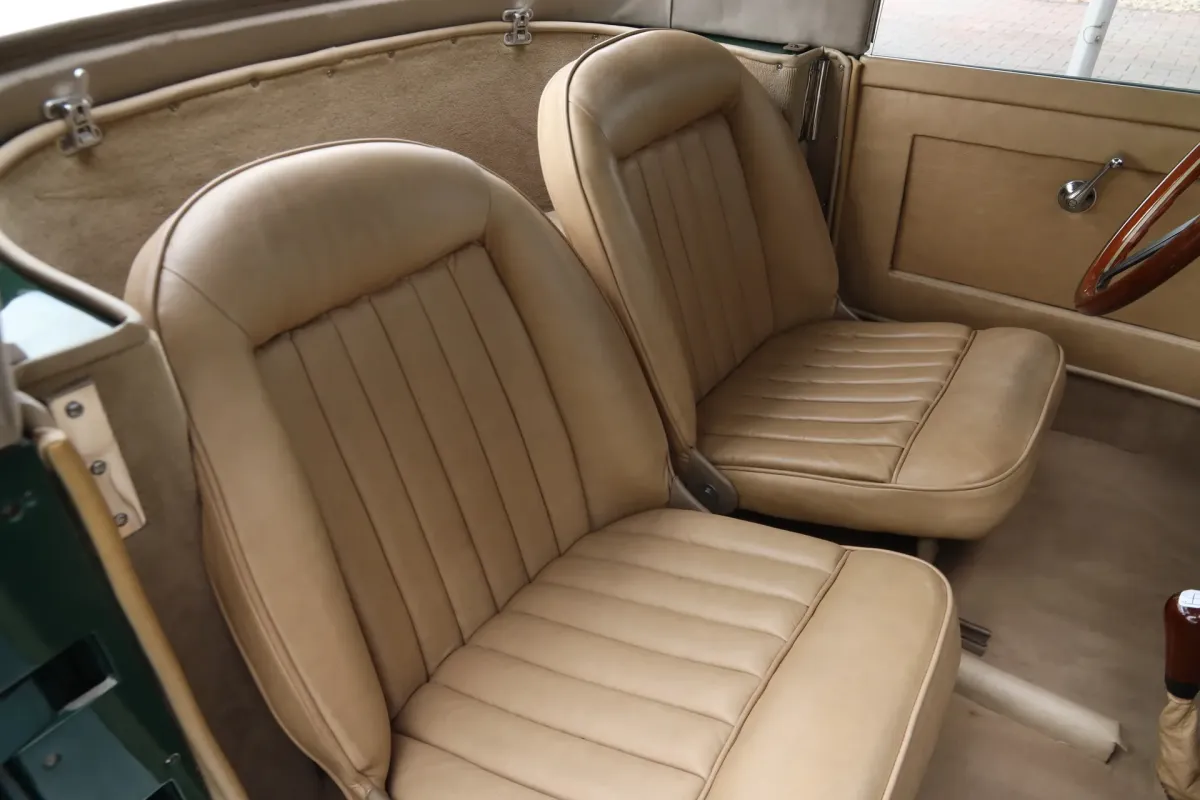
This unique example was fully restored and rebuilt toward the end of the last century.

Gallery Aaldering
6971 AP Brummen - The Netherlands NL
+31 (0) 575-56 40 5
http://www.gallery-aaldering.com/en/

OldLuxury 24 declina ogni responsabilità in ordine ad eventuali annunci falsi, ingannevoli e/o mendaci, e si riserva comunque ogni e più opportuna iniziativa, anche risarcitoria, nei confronti dei trasgressori.